
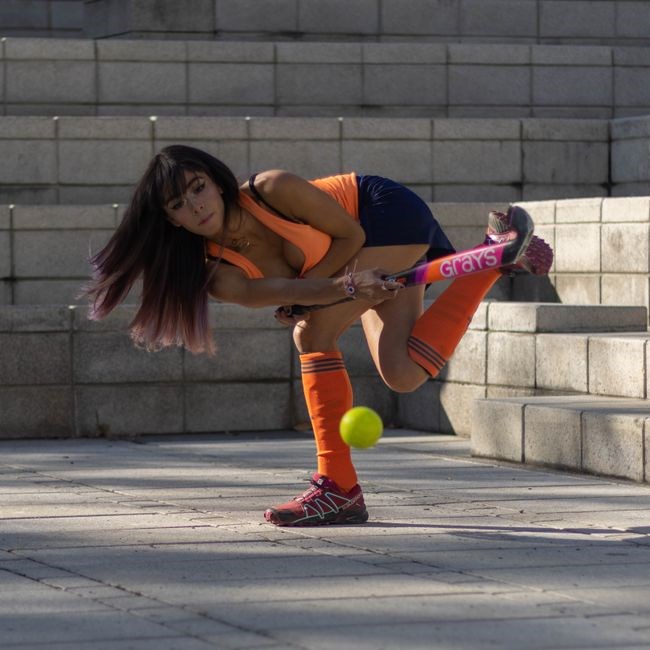
field hockey stick size guide
Age-Appropriate Stick Length
Stick length depends on player height and age․ Youth sticks range 12‑18 inches (30‑45 cm) for ages 6‑12‚ 18‑20 inches (45‑50 cm) for 13‑15‚ and 20‑22 inches (50‑55 cm) for 16‑18․ Adults use 22‑24 inches (55‑60 cm) for most‚ with 24‑26 inches (60‑65 cm) for taller players․ Ideal for beginners and growth
Length Standards for Youth Players
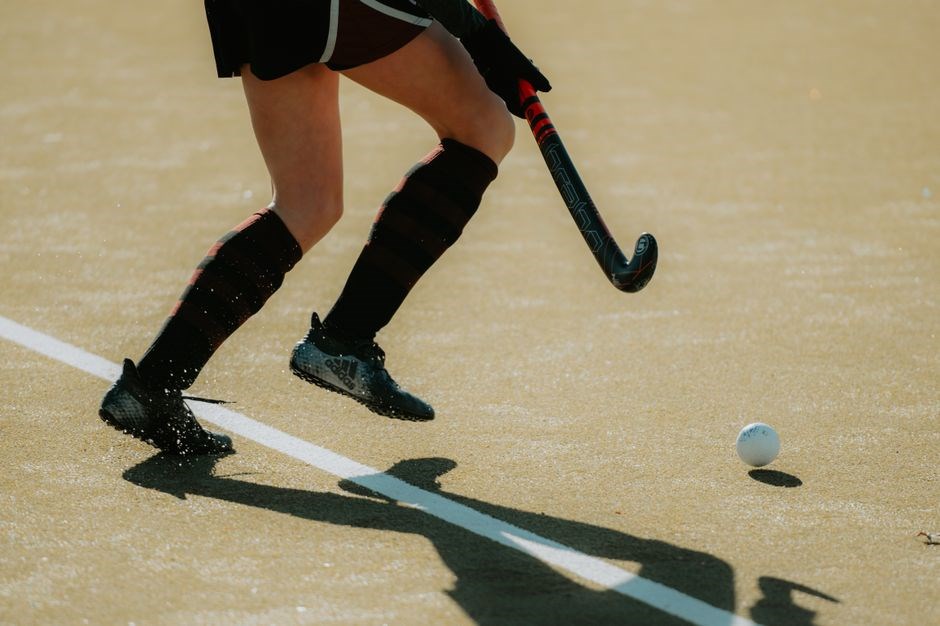
Choosing the right stick length for young athletes is essential for skill development and injury prevention․ The most reliable method is to measure the player’s height from the floor to the top of the head‚ then apply a conversion chart that correlates height to stick length․ Below is a concise guide that aligns with industry consensus from manufacturers such as STX‚ BULL‚ and STIGA․
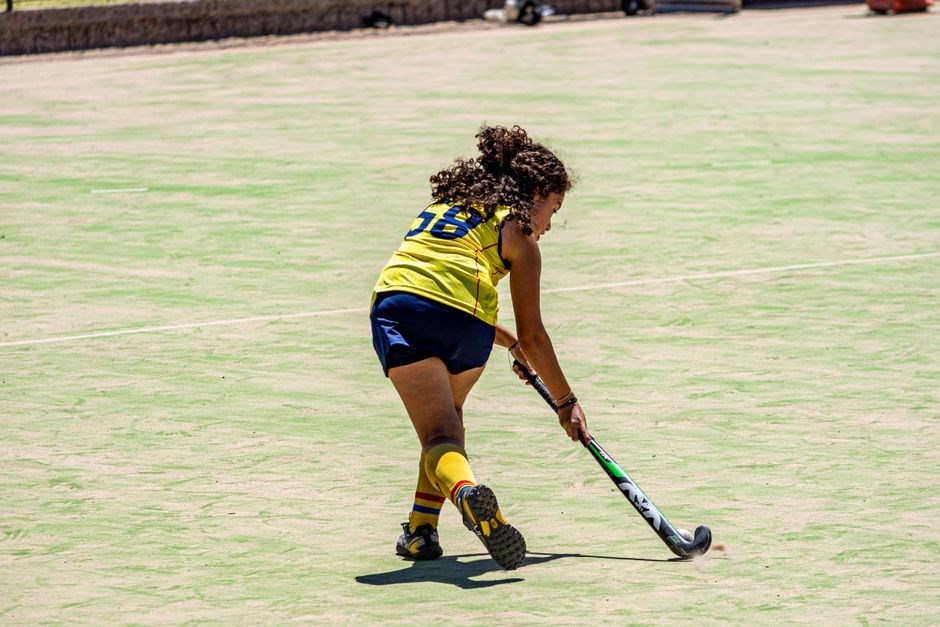
- 6‑7 years (120‑140 cm): 12‑14 inches (30‑35 cm)․ These sticks are lightweight and allow full range of motion for beginners․
- 8‑9 years (141‑155 cm): 14‑16 inches (35‑40 cm)․ A slight increase supports growing wrists and better control․
- 10‑11 years (156‑170 cm): 16‑18 inches (40‑45 cm)․ Players can start handling more complex drills while maintaining balance․
- 12‑13 years (171‑185 cm): 18‑20 inches (45‑50 cm)․ This range accommodates early adolescence and the transition to senior equipment․
- 14‑15 years (186‑200 cm): 20‑22 inches (50‑55 cm)․ At this stage‚ sticks provide the necessary reach for advanced tactics․
When a player’s height falls between two standard lengths‚ choose the shorter stick to promote better control and reduce overextension․ Pair the stick with a shaft that matches weight and strength; a too‑rigid shaft can hinder technique‚ while a too‑flexible shaft may lack stability․ This ensures a comfortable fit and control during play‚ enhancing handling for․
Length Standards for Adult Players
Adult field hockey sticks are typically measured in inches‚ with a standard range that balances reach‚ control‚ and power․ The most widely accepted sizing system uses a height‑to‑stick ratio: a player’s height in inches divided by 2․5 gives the recommended stick length․ This formula aligns with guidelines from major brands such as STX‚ BULL‚ and STIGA‚ and is supported by coaching manuals from national hockey associations․
Below is a practical conversion table for players aged 16 and older‚ categorized by height brackets․ These lengths are suitable for both recreational and competitive play․ For athletes with exceptional height or specific positional requirements‚ slight adjustments may be warranted‚ but the table provides a solid baseline․
- 5 ft 0 in (152 cm) – 22 in (56 cm)
- 5 ft 2 in (157 cm) – 22 in (56 cm)
- 5 ft 4 in (163 cm) – 22 in (56 cm)
- 5 ft 6 in (168 cm) – 22 in (56 cm)
- 5 ft 8 in (173 cm) – 22 in (56 cm)
- 5 ft 10 in (178 cm) – 23 in (58 cm)
- 6 ft 0 in (183 cm) – 23 in (58 cm)
- 6 ft 2 in (188 cm) – 23 in (58 cm)
- 6 ft 4 in (193 cm) – 24 in (61 cm)
- 6 ft 6 in (198 cm) – 24 in (61 cm)
- 6 ft 8 in (203 cm) – 24 in (61 cm)
When selecting a stick‚ consider the shaft’s flex rating‚ which should match the player’s weight and strength․ A moderate flex (around 10–12 mm) is ideal for most adults‚ while heavier or more powerful players may opt for a stiffer shaft (8–10 mm) to maximize drive․ Always test the stick in person‚ ensuring the blade sits at the player’s waist when standing upright‚ and that the handle feels secure in the grip․ Proper fit reduces fatigue and improves shot accuracy‚ making the difference between a solid season and a sub‑optimal performance․
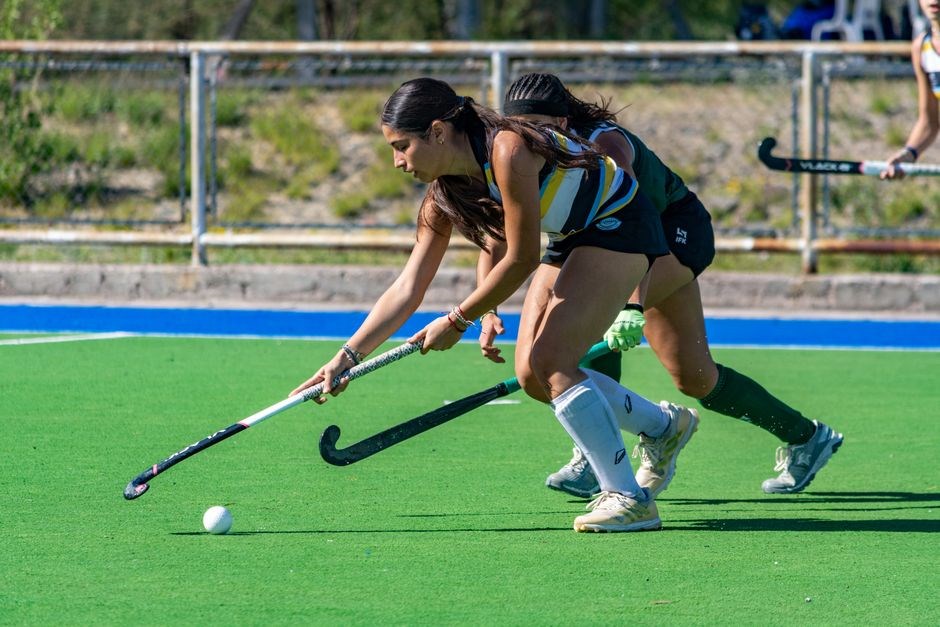
Additional considerations include the material composition of the shaft—carbon fiber offers lightweight durability‚ while composite blends provide a balanced feel․ The blade’s width (typically 3․5–4․0 in) and shape (flat or V‑cut) should match the player’s style; attackers often prefer a wider blade for better stick‑handling‚ whereas defenders may choose a narrower blade for tighter control․ Finally‚ always keep the stick clean‚ store it in a padded case‚ and replace worn components promptly to maintain optimal performance and safety․
Regular inspection for cracks‚ especially around the joint‚ is crucial․ A small crack can propagate under repeated impact‚ leading to sudden breakage during play․ If you notice any discoloration or a loss of flex‚ replace the shaft immediately․ By maintaining proper care and selecting the correct length‚ players can focus on skill development rather than equipment issues‚ ensuring a safer and more enjoyable experience on the field․ With these guidelines‚ every adult player can confidently choose a stick that complements their height‚ strength‚ and playing style‚ paving the way for improved performance and reduced injury risk!!
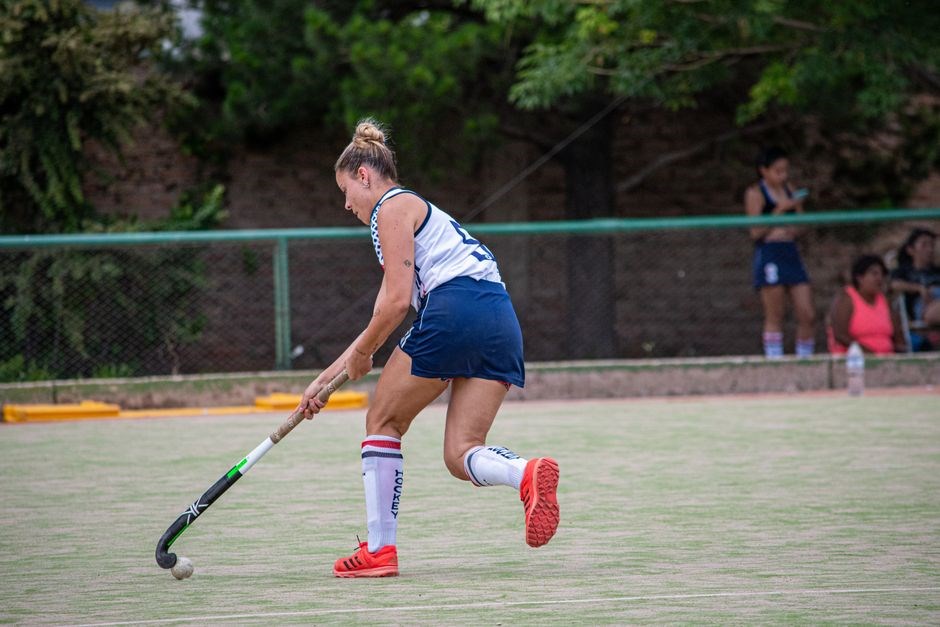
Position-Specific Stick Considerations
Attackers benefit from longer sticks (22–24 in) for reach and power‚ while defenders favor shorter sticks (20–22 in) for agility and tighter control․ Midfielders balance both‚ often choosing 21–22 in sticks to support passing and defensive duties․
Proper length supports powerful strikes and passesnow
Stick Length for Attackers
Attackers require a longer shaft to generate power and reach‚ typically 22–24 inches (55–60 cm)․ The extended length allows a higher swing arc‚ improving shot velocity and enabling long‑range strikes․ A longer stick aids passing accuracy over distance‚ giving the forward the ability to deliver quick‚ angled passes to teammates․ However‚ the increased length can reduce maneuverability in tight spaces‚ so players must balance reach with agility․ Coaches often recommend a 23‑inch stick for players around 5’10” to 6’2”‚ while taller attackers may opt for 24 inches․ The choice also depends on the player’s hand‑to‑foot ratio; a higher ratio favors a longer shaft․ Proper grip placement—about 2–3 inches below the knuckles—ensures control and reduces fatigue․ When selecting a stick‚ test both 22‑inch and 23‑inch models to determine which feels more stable during rapid directional changes․
In addition‚ the weight of the stick influences handling․ A lighter 9‑10 oz stick reduces fatigue during longmatches‚ while a heavier 11‑12 oz stick offers stability․ Players should also consider the stick’s blade shape—flat‚ semi‑flat‚ or round—since a flat blade provides a larger surface area for powerful shots‚ whereas a round blade offers better control for short passes․ Finally‚ regular inspection for cracks or delamination is essential; a compromised shaft can lead to sudden breakage‚ jeopardizing safety․!!!
Choosing the right length involves considering the player’s playing style․ A striker who relies on speed may prefer a very shorter stick for quicker turns‚ while a power shooter may opt for the maximum length to launch angle․
Stick Length for Defenders
Defenders prioritize control‚ balance‚ and the ability to clear the ball under pressure․ A slightly shorter shaft—typically 20 to 22 inches (50–55 cm)—provides a tighter swing arc‚ allowing quicker reaction to opponents’ passes and faster interception․ The reduced length also improves stability when the defender is in a low stance‚ reducing the risk of over‑extension and improving footwork․ Many elite defenders use a 21‑inch stick‚ which offers a sweet spot between reach and maneuverability․ For taller defenders (6’2” and above)‚ a 22‑inch stick may be necessary to maintain reach to the back‑hand side of the field‚ while shorter players (under 5’10”) find a 20‑inch shaft more comfortable․ The blade shape is also critical; a flat or semi‑flat blade gives a larger surface area for powerful clearances‚ whereas a round blade offers better control for short passes and one‑taps․ Weight plays a role too—an 11‑12 oz stick gives enough heft for a solid impact‚ but a lighter 9‑10 oz stick can reduce fatigue during long defensive shifts; Proper grip placement—about 2–3 inches below the knuckles—ensures a firm hold‚ especially when tackling or blocking․ Regular inspection for cracks or delamination is essential; a compromised shaft can lead to sudden breakage‚ jeopardizing safety․ Ultimately‚ the best length is one that feels natural in a low stance and allows the defender to maintain balance while executing quick‚ accurate passes or clearances under pressure․ Stick length align with defender footwork preference․
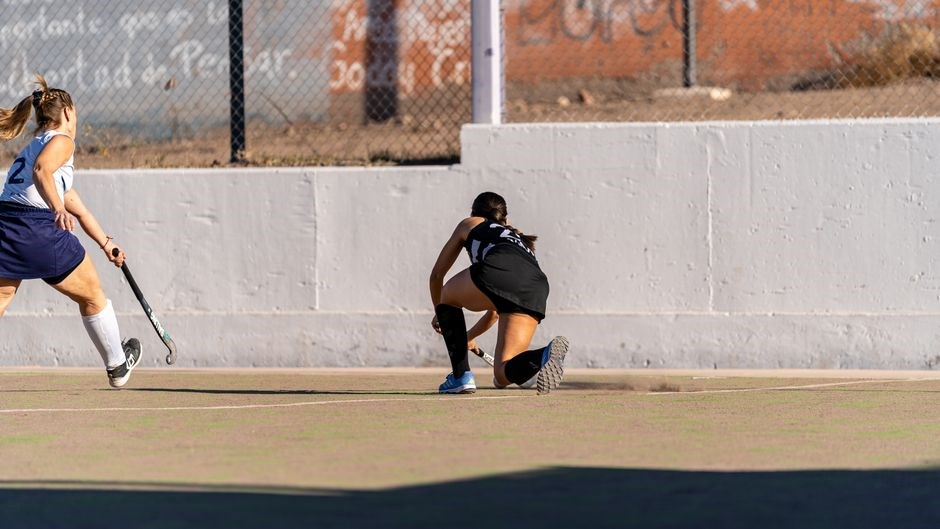
Stick Design Features
Design focuses on materials‚ flex‚ and blade shape․ Carbon‑fiber cores offer lightness and stiffness‚ while composites balance cost and durability․ Flex ratings (60‑80) match player weight; blade width (5‑6 in) and shape (flat or round) affect control and power․ Ideal for tactical play․ Precision․ 2026
Materials and Construction (Carbon Fiber‚ Composite)
Modern field‑hockey sticks are engineered from a blend of high‑modulus carbon fibers and advanced polymer composites․ The core is typically a honeycomb or foam structure‚ providing lightweight stiffness while reducing overall mass․ Carbon fibers are arranged in a multi‑layer laminate‚ each layer oriented at 0°‚ 45°‚ or 90° to tailor flex characteristics․ The outer skins are bonded with epoxy resin‚ creating a rigid shell that resists torsional forces during powerful shots․ Composite sticks use a mix of carbon‚ glass‚ and aramid fibers‚ offering a cost‑effective alternative with slightly lower modulus but greater impact absorption․ Manufacturing involves precision CNC milling of the blade‚ followed by hand‑wrapping or automated lay‑up of the fiber layers․ The resulting stick balances a low center of gravity‚ a predictable flex curve‚ and a durable blade edge․ Players often choose carbon‑fiber sticks for competitive play due to their superior energy transfer‚ while composite sticks remain popular for youth and recreational leagues because of their affordability and forgiving flex․ Proper curing and post‑processing‚ such as heat treatment‚ ensure consistent performance across batches․ Maintenance of these materials requires careful cleaning to avoid resin degradation and regular inspection for micro‑cracks that could propagate under repeated impact․ The choice between carbon and composite ultimately hinges on budget‚ skill level‚ and desired play style․ Choose a stick that matches play style‚ budget․!
Flex and Width Options
Choosing the correct flex and width is essential for optimal control and power․ Flex rating‚ measured in inches of deflection at the 12‑inch mark‚ ranges from 22 (stiff) to 48 (soft)․ A stiff stick (22‑26) offers maximum power for shot accuracy but demands strong wrist action‚ ideal for forwards and midfielders․ A medium flex (30‑34) balances power and feel‚ suitable for all‑round players․ A soft flex (38‑42) provides a “spring” effect‚ enhancing dribbling and short‑range shots‚ often preferred by defenders and goalkeepers․ Width‚ measured from the tip to the heel‚ typically spans 4․5‑5․5 inches․ Narrower sticks (4․5‑4․75) increase maneuverability in tight spaces‚ while wider sticks (5․0‑5․5) improve stability during high‑speed passes and shots․ Some manufacturers offer adjustable width systems‚ allowing players to fine‑tune blade curvature for personal preference․ Proper selection depends on player height‚ strength‚ and playing style; testing multiple flex and width combinations during tryouts is recommended․ Remember that a stick’s flex can change over time due to repeated use‚ so periodic re‑evaluation ensures continued performance․ Selecting the right flex and width combination can significantly reduce injury risk by aligning the stick’s mechanical response with the player’s biomechanics․ Always consult with a coach or experienced player when making adjustments to ensure the stick’s specifications match the intended use and skill level․ Properly matched flex and width enhance skill execution and confidence now everywhere on the field․

Measurement and Fitting Process
Measure height from floor to shoulder‚ add 2‑3 inches for comfort․ Use a stick with blade tip reaching shoulder height․ Test balance by holding stick horizontally; it should feel stable․ Adjust grip height with a strap or sleeve to fine‑tune fit for each session․ Blade tip should reach shoulder height․!!
How to Measure Height for Stick Length
Follow these precise steps to determine the correct stick length for any player․ 1․ Stand upright against a wall with shoes removed․ 2․ Place a flat ruler or measuring tape on the floor‚ aligning its zero mark with the wall․ 3․ Have the player look straight ahead‚ keeping the head level․ 4․ Measure from the floor to the top of the shoulder blades‚ ensuring the tape stays parallel to the floor; 5․ Record the measurement in inches or centimeters․ 6․ Add 2–3 inches (5–7 cm) to this figure to allow for comfortable blade reach; this is the target blade tip height․ 7․ Verify by holding a stick horizontally: the blade tip should touch the shoulder line without strain․ 8․ If the stick feels too long or short‚ adjust the grip height with a strap or sleeve until the blade tip aligns with the measured shoulder height․ 9․ Re‑measure after any adjustment to confirm consistency․ 10․ Repeat the process annually or after growth spurts to keep the stick proportionate to the player’s stature․ Accurate measurement ensures optimal control‚ reduces injury risk‚ and enhances performance on the field․ Players should also check the stick’s butt‑end height by standing on a flat surface and measuring from the ground to the butt‑end․ A stick that is too long can cause over‑extension‚ while a short stick may limit reach․ Coaches often recommend a 1‑inch adjustment per year for growing athletes․ Consistent measurements help maintain technique and reduce strain on shoulders and wrists․ Practice daily․ Try
Adjusting the Stick for Comfort
Once the basic length is chosen‚ fine‑tuning the stick’s feel is essential for performance and injury prevention․ The first adjustment is the grip: a padded sleeve or a custom‑cut rubber wrap can reduce vibration and improve hand‑stick contact․ If the grip feels too tight‚insert a thin layer of foam or a smaller sleeve; if too loose‚ use a thinner wrap or a tighter strap․ Next‚ consider the butt‑end height․ The butt should sit just above the player’s wrist when standing straight; a too‑high butt can cause over‑extension‚ while a too‑low butt limits reach․ Use a small adjustable strap or a weighted butt‑end to fine‑tune this position․ Weight distribution matters: heavier blades boost power but feel sluggish; lighter blades handle quicker․ Many players add a small weight to the butt or blade to balance the stick to their preferred feel․ Flex is another key variable: a stick with a higher flex rating will bend more under impact‚ providing a “spring” effect; a lower flex offers a firmer feel․ Test both by striking a ball and feeling the rebound․ Blade angle and curvature also influence comfort: a slightly angled blade can reduce wrist strain during passes‚ while a curved blade improves ball control․ Finally‚ always test the stick in game‑like conditions: practice dribbling‚ shooting‚ and passing to ensure the adjustments translate into real‑world comfort․ Players should consider the stick’s weight distribution and balance‚ fatigue and shot accuracy during high‑intensity in the play․ Check fit yearly!!!!
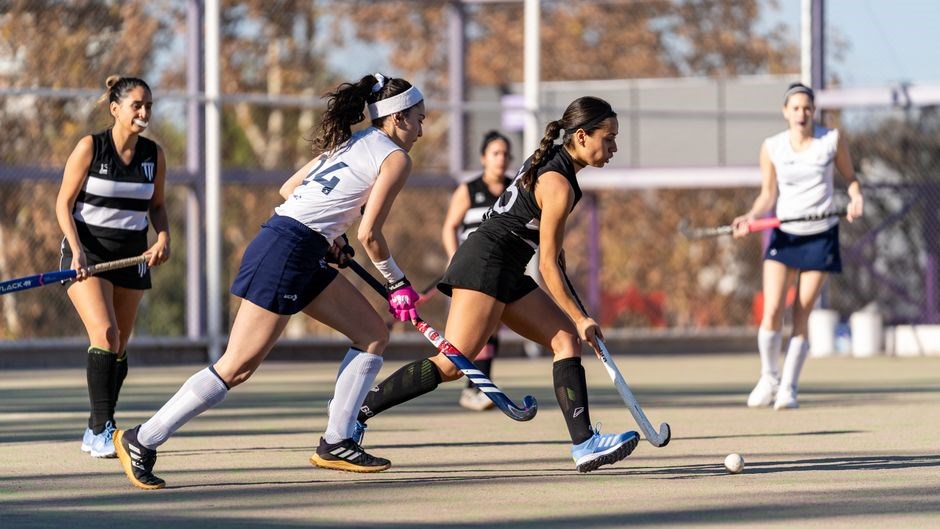
Care‚ Maintenance‚ and Common Mistakes
Clean the blade after each game with a soft cloth and mild soap․ Store in a dry‚ ventilated spot to avoid warping․ Inspect regularly for cracks or loose fittings; replace parts promptly․ Common errors: over‑tightening grips or ignoring flex changes․ Keep grips snug but!!
Proper Cleaning and Storage
After every match‚ wipe the blade with a damp cloth and mild soap to remove sweat and dirt․ Avoid harsh chemicals that can degrade the composite material․ Dry the stick thoroughly before storing it in a cool‚ dry place‚ away from direct sunlight and extreme temperatures․ Use a padded holder or a dedicated rack to keep the blade upright‚ preventing warping․ Regularly inspect the grip for wear and replace it if it becomes slick or frayed․ Store the stick in a breathable bag or box‚ not sealed plastic‚ to allow airflow and reduce moisture buildup․ This routine preserves the stick’s flex‚ length‚ and overall performance over time․
When storing‚ avoid placing the stick in direct contact with hard surfaces that can cause dents․ Instead‚ use a padded sleeve or a dedicated rack that supports the blade at the handle end․ Keep the stick away from moisture‑prone areas; a damp environment can warp the composite․ If you must store the stick in a bag‚ choose one with ventilation holes or a breathable lining․ For long‑term storage‚ consider removing the blade from the handle and storing them separately to reduce stress on the joint; Regularly check for cracks or loose screws and tighten them with a torque wrench to the manufacturer’s specifications․ A well‑maintained stick not only lasts longer but performs consistently‚ giving players confidence on the field․
Avoiding Common Stick Size Mistakes
Choosing the wrong stick length can hinder performance‚ increase injury risk‚ and frustrate players․ The most frequent errors include selecting a stick that is too short‚ too long‚ or using a universal “one‑size‑fits‑all” approach․ Below are practical guidelines to sidestep these pitfalls․
- Measure accurately․ Use a tape measure from the floor to the top of the player’s head‚ then subtract 10–12 cm for youth and 5–8 cm for adults․ Relying on height charts alone often misguides the choice․
- Test the fit․ Hold the stick with the blade pointing upward; the handle should reach the player’s wrist or slightly below․ A stick that stops above the wrist feels cramped‚ while one that extends past the wrist feels loose․
- Consider the player’s role․ Attackers benefit from a slightly shorter stick for agility‚ whereas defenders may prefer a longer blade for reach․ Ignoring positional needs leads to suboptimal play․
- Check the flex rating․ A stick that flexes too much or too little can cause mishits․ Match the flex to the player’s weight and power; a 10‑kg flex is suitable for lighter players‚ while a 12‑kg flex suits heavier athletes․
- Account for growth․ Youth players grow quickly; select a stick with a 2‑inch (5 cm) margin to accommodate future height increases․ Avoid buying a stick that is already at the maximum length for the current height․
- Don’t overlook blade shape․ A curved blade may require a slightly longer stick to maintain balance․ A flat blade can be paired with a shorter length without compromising control․
- Seek professional fitting․ Many clubs offer stick‑fitting services․ A trained fitter can assess posture‚ swing mechanics‚ and body proportions‚ ensuring the chosen stick aligns with the player’s unique profile;
- Re‑evaluate after major changes․ Weight gain‚ strength training‚ or positional shifts warrant a new stick assessment․ A stick that once felt perfect may become a liability after such changes․
- Use a trial period․ Borrow or rent sticks before purchasing․ This allows players to experience different lengths and flexes in real game conditions‚ reducing the likelihood of regretful purchases․
- Follow manufacturer guidelines․ Stick manufacturers provide length charts based on height and weight․ Deviating from these recommendations often leads to discomfort and decreased performance․
- Keep an eye on balance․ A stick that is too long can shift the center of gravity forward‚ making it difficult to control the ball at the back of the stick․ A stick that is too short can reduce reach and power‚ especially during long passes․
- Monitor wear and tear․ Over time‚ the blade and handle can stretch or warp․ Regularly check for signs of damage and replace components before they affect performance․
By systematically addressing these common mistakes‚ players can select a stick that enhances skill execution‚ reduces injury risk‚ and supports long‑term development on the field․