

climbing harness size guide
Climbing Harness Size Guide: A Comprehensive Overview (Updated March 24, 2026)
Choosing the correct climbing harness is vital for safety and comfort. This guide, updated today, March 24, 2026, details how to find
the perfect fit, considering various body types and climbing disciplines. REI’s expert advice emphasizes the harness’s crucial role in connecting you to the rope system.
Understanding Harness Sizing Basics
Climbing harness sizing isn’t standardized across all manufacturers, making it crucial to understand the fundamental principles. Harnesses aren’t like clothing sizes; a ‘Medium’ from one brand might fit differently than a ‘Medium’ from another. Generally, sizing revolves around two primary measurements: waist size and leg loop size. These measurements determine the overall fit and security of the harness.
Harnesses are designed to distribute weight and impact forces effectively, and a proper fit is paramount for both safety and comfort. A poorly fitted harness can compromise your ability to climb efficiently and, more importantly, can be dangerous in the event of a fall. Understanding that harnesses are essential gear—whether climbing, belaying, or mountaineering—is the first step.
Manufacturers typically provide size charts that correlate waist and leg loop measurements to specific harness sizes (XS, S, M, L, XL). These charts serve as a starting point, but individual body shapes and preferences can influence the ideal fit. It’s important to remember that these are guidelines, and trying on a harness is always recommended when possible. Consider the type of climbing you’ll be doing, as different disciplines may benefit from slightly different fits.
Why Harness Size Matters
The correct harness size is non-negotiable for climber safety. A harness that’s too large can ride up during a fall, potentially causing a full-body suspension which, while survivable, is extremely uncomfortable and can lead to serious injury. Conversely, a harness that’s too small restricts movement, hinders breathing, and can be intensely uncomfortable during extended climbs.
Proper fit ensures the load is distributed correctly across your body during a fall, minimizing the risk of injury. The waistbelt should sit comfortably on your iliac crest (hip bones), and the leg loops shouldn’t constrict circulation or bind uncomfortably. A secure fit also prevents the harness from shifting during dynamic movements, maintaining consistent protection.
Beyond safety, a well-fitting harness enhances climbing performance. Comfort allows for greater freedom of movement, reducing fatigue and improving focus. Considering the harness is an essential piece of gear for climbing, belaying, and mountaineering, investing time in finding the right size is paramount. Ignoring fit can significantly detract from the overall climbing experience and compromise your well-being.
Measuring for a Climbing Harness
Accurate measurements are the foundation of finding the right harness size. Don’t rely on your usual clothing size, as harness sizing differs significantly. You’ll need a flexible measuring tape and, ideally, a friend to assist for the most accurate results. Wear the type of clothing you typically climb in – layering can affect measurements.
Begin by measuring your waist. Stand naturally and measure around your waist, over your climbing pants or shorts, at the level of your iliac crest (hip bones). Keep the tape measure snug but not tight. Record this measurement in inches or centimeters.
Next, measure your leg loops. Measure around the largest part of your thigh, again wearing your climbing attire. This is typically high on the thigh, where the leg loop will sit. Ensure the tape is comfortably snug. These two measurements – waist and thigh – are crucial for determining your initial harness size range. Refer to manufacturer size charts (discussed later) using these figures.
Waist Size Measurement
The waist measurement is a primary factor in determining your harness size. It’s critical to obtain an accurate reading for a secure and comfortable fit. Stand in a natural, relaxed posture – avoid sucking in your stomach or flexing your muscles. This will distort the measurement.
Position the measuring tape around your natural waistline. This is generally located approximately one inch above your hip bones, or the iliac crest. Ensure the tape measure is level all the way around your body. A slight downward angle can lead to an inaccurate reading.
Keep the tape snug, but not constricting. It should lie flat against your skin without digging in. A good rule of thumb is that you should be able to comfortably slide a finger or two underneath the tape. Record the measurement in inches or centimeters, noting which unit you’ve used. This waist measurement, combined with your leg loop measurement, will guide you to the appropriate harness size range.
Leg Loop Size Measurement
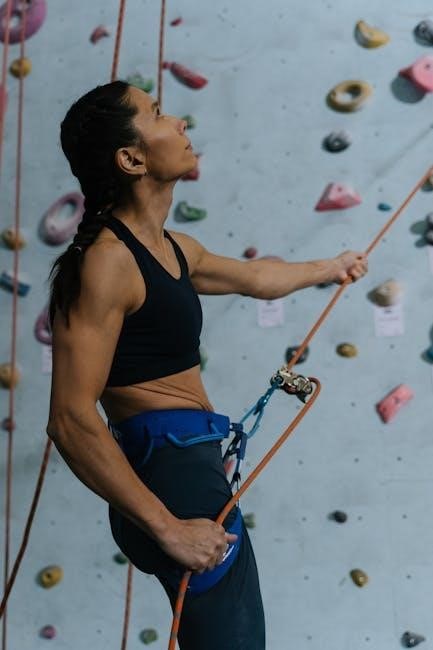
Measuring your leg loops is equally important as measuring your waist for a properly fitted climbing harness. The leg loops ensure a secure and comfortable suspension, preventing discomfort and potential safety issues during climbs.
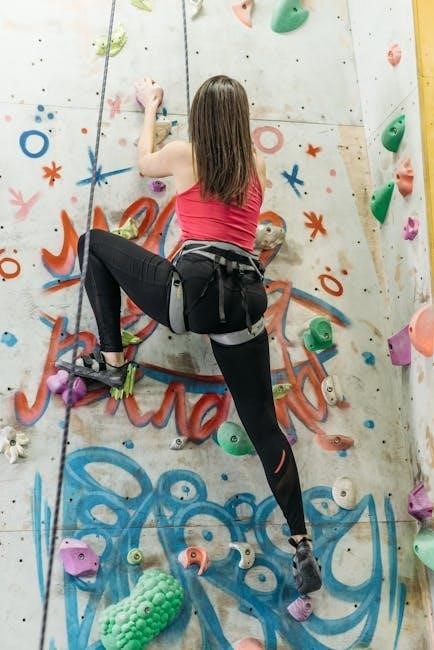
Measure around the largest part of your thigh, typically located high on the thigh where it begins to taper towards the knee. Similar to the waist measurement, stand in a natural, relaxed position. Avoid flexing your thigh muscles, as this will artificially inflate the measurement.
Keep the measuring tape snug, but not overly tight. You should be able to comfortably slide a finger or two underneath the tape. Ensure the tape measure is level and doesn’t angle upwards or downwards. Record the measurement in the same units (inches or centimeters) as your waist measurement.
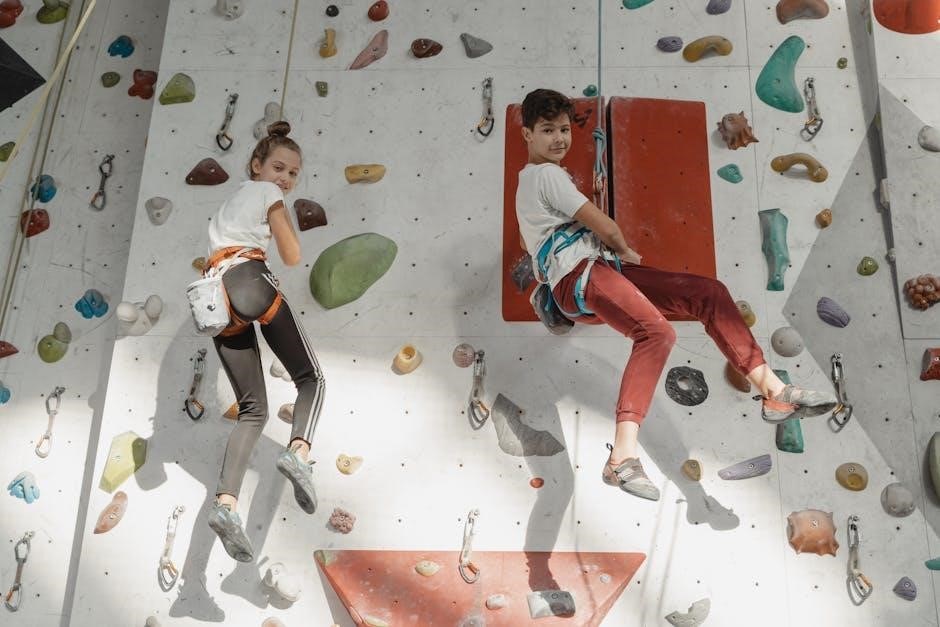
Compare your waist and leg loop measurements to the manufacturer’s size chart to determine the best harness size for your body. Remember that sizing can vary between brands.
Harness Size Charts: Decoding the Numbers
Harness size charts are essential tools for translating your body measurements into the correct harness size. However, these charts aren’t universally standardized, meaning sizing can differ significantly between manufacturers. Always consult the specific chart provided by the brand you’re considering.
Charts typically list waist and leg loop measurements corresponding to sizes like XS, S, M, L, and XL. Some brands also offer more granular sizing, using numerical values (e.g;, 28-32 inches). Pay close attention to the units of measurement – inches or centimeters – and ensure consistency with your own measurements.
Don’t solely rely on your usual clothing size. Harness sizing is based on actual body measurements, not standard clothing sizes. A size medium shirt doesn’t automatically equate to a size medium harness.

If your measurements fall between sizes, it’s generally recommended to size up. A slightly larger harness is easier to adjust and provides a more comfortable fit. Always prioritize a secure and snug fit over a tight one.
Standard Harness Sizing (XS, S, M, L, XL)
While sizing varies between brands, a general framework exists for standard harness sizes: XS, S, M, L, and XL. These correspond to approximate waist and leg loop measurements, though precise ranges differ. Understanding these broad categories provides a starting point for your search.
Extra Small (XS) typically fits waists under 26 inches and leg loops under 18 inches. Small (S) generally accommodates waists between 26-30 inches and leg loops 18-20 inches. Medium (M) is often designed for waists 30-34 inches and leg loops 20-22 inches.
Large (L) usually fits waists 34-38 inches and leg loops 22-24 inches, while Extra Large (XL) is intended for waists over 38 inches and leg loops exceeding 24 inches. These are approximate guidelines; always check the manufacturer’s specific chart.
Remember that these sizes are not absolute. Individual body shapes and preferences play a significant role. Prioritize a comfortable, secure fit over simply matching a letter size. Proper adjustment is crucial, even within the correct size range.
Gender-Specific Harness Sizing (Men’s vs. Women’s)
Recognizing anatomical differences, many manufacturers offer harnesses specifically designed for men and women. Women’s harnesses typically feature a narrower waistbelt and wider leg loops to accommodate wider hips and a shorter torso. This design aims to improve comfort and prevent chafing during climbing activities.
Men’s harnesses generally have a more traditional shape, with a wider waistbelt and narrower leg loops. However, these are generalizations, and individual body types vary significantly. It’s crucial to try on both men’s and women’s models to determine the best fit for your body.
Don’t assume a gender-specific label automatically dictates the correct choice. A woman with a narrower waist might find a men’s harness more comfortable, and vice versa. Focus on how the harness feels, ensuring a snug but not restrictive fit around the waist and legs.
Prioritize comfort and security over gender labeling. Proper fit is paramount, regardless of whether the harness is marketed as “men’s” or “women’s.” Always consult the manufacturer’s sizing chart and, ideally, try the harness on before purchasing.
Youth and Children’s Harness Sizing
Proper fit is even more critical for young climbers due to their developing bodies. Children’s harnesses are specifically designed to accommodate smaller frames and ensure safety during climbing activities. Unlike adult harnesses, youth models prioritize adjustability to grow with the child.
Sizing for children is typically based on height and weight, rather than waist and leg measurements alone. Manufacturers provide detailed sizing charts correlating these factors to harness sizes. Always consult these charts before purchasing.
Full-body harnesses are often recommended for younger children (typically under 10 years old) as they provide increased security and prevent a fall-through scenario; These harnesses distribute the load across the entire body, minimizing the risk of injury.
As children grow, transition to a waist harness with adjustable leg loops. Ensure the harness fits snugly but allows for comfortable movement. Regularly check the fit as the child grows, and adjust or replace the harness as needed. Prioritize certified harnesses designed specifically for youth climbers.
Adjustable vs. Fixed Leg Loops
Climbing harnesses come with either adjustable or fixed leg loops, each offering distinct advantages depending on the climber’s needs and preferences. Adjustable leg loops are the more versatile option, allowing for a customized fit and accommodating varying clothing layers. This is particularly beneficial for climbers who experience changes in body size or frequently climb in different conditions.
Fixed leg loops, on the other hand, are typically found on more specialized harnesses, such as those designed for alpine climbing or ice climbing. They offer a streamlined profile and reduced weight, as there are fewer buckles and adjustment points. However, they provide less flexibility in terms of fit.
The choice between adjustable and fixed leg loops often depends on the intended use of the harness. If you prioritize versatility and the ability to adjust the fit, adjustable leg loops are the way to go. If you need a lightweight, streamlined harness for specific activities, fixed leg loops may be a better choice.
Consider your typical climbing style and the conditions you’ll be climbing in when making your decision. Adjustable loops are generally recommended for beginners and all-around climbers.
Trying on a Harness: A Step-by-Step Guide
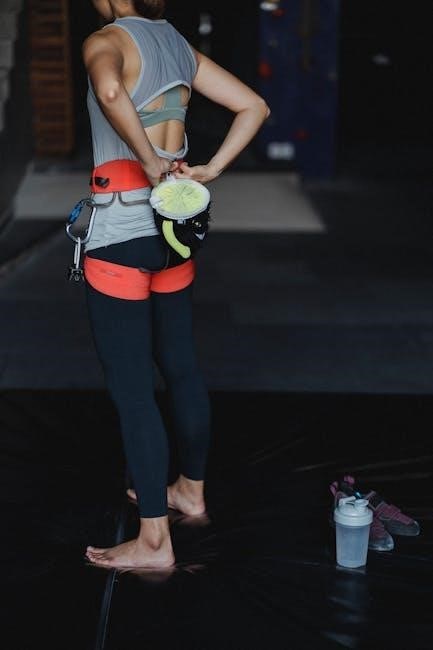
Properly trying on a climbing harness is crucial for ensuring a secure and comfortable fit. Begin by loosening all buckles – waistbelt and leg loops – to their maximum extent. Step into the harness, similar to putting on pants, ensuring the waistbelt sits comfortably at your natural waist. Once in place, tighten the waistbelt until snug, leaving about two to three finger widths of space between the belt and your waist.

Next, adjust the leg loops. They should be snug enough to prevent the harness from shifting during movement, but not so tight as to restrict circulation. Aim for a similar two-to-three-finger width of space. Ensure the buckles are properly threaded and double-backed for added security.
Finally, perform a “hanger check.” Ask a friend to gently lift you by the haul loop; a properly fitted harness will remain stable and not shift significantly. Always prioritize a secure and comfortable fit before embarking on any climbing activity.
Waistbelt Fit Check
The waistbelt is the primary load-bearing component of your climbing harness, making a proper fit absolutely essential. Once tightened, the waistbelt should sit comfortably at your natural waist – typically above your hip bones. Ensure the padding is evenly distributed and doesn’t create pressure points. You should be able to comfortably fit two to three fingers between the belt and your waist; this allows for layering clothing without compromising the fit.
Check for proper buckle alignment. The buckle should be centered on your stomach, not off to one side. Tighten the belt incrementally, checking the fit after each adjustment. Avoid overtightening, as this can restrict breathing and circulation. A snug, but comfortable, fit is the goal.
Perform a range of motion test. Bend, twist, and lean forward to ensure the waistbelt doesn’t ride up or shift excessively. A stable waistbelt is critical for distributing weight effectively during a fall.
Leg Loop Fit Check
Proper leg loop fit is crucial for comfort and security, preventing restriction and ensuring a safe climbing experience. The leg loops should wrap snugly around your thighs, avoiding pinching or chafing. Similar to the waistbelt, aim for a fit allowing two to three fingers between the loop and your thigh – accommodating layers without compromising security.
Evaluate the buckle placement. The buckles should sit comfortably on the side of your thigh, not digging in or causing discomfort. Adjust the leg loops incrementally, checking the fit after each adjustment. Avoid overtightening, which can restrict blood flow and mobility.

Perform a mobility assessment. Simulate climbing movements – high steps, dynamic reaches – to ensure the leg loops don’t bind or restrict your range of motion. The loops should move with you, not against you. A secure, yet comfortable, fit is paramount for confident climbing.
Harness Features Affecting Fit
Several harness features significantly impact overall fit and comfort. Padding, particularly in the waistbelt and leg loops, provides cushioning and distributes pressure, enhancing comfort during long climbs. The width of the waistbelt also plays a role; wider belts generally offer more support and distribute weight more effectively.
Buckle types influence adjustability. Speed buckles allow for quick and easy adjustments, while double-back buckles offer a more secure, albeit less convenient, locking mechanism. Gear loops, while primarily for carrying equipment, can subtly affect fit by adding bulk around the waist.
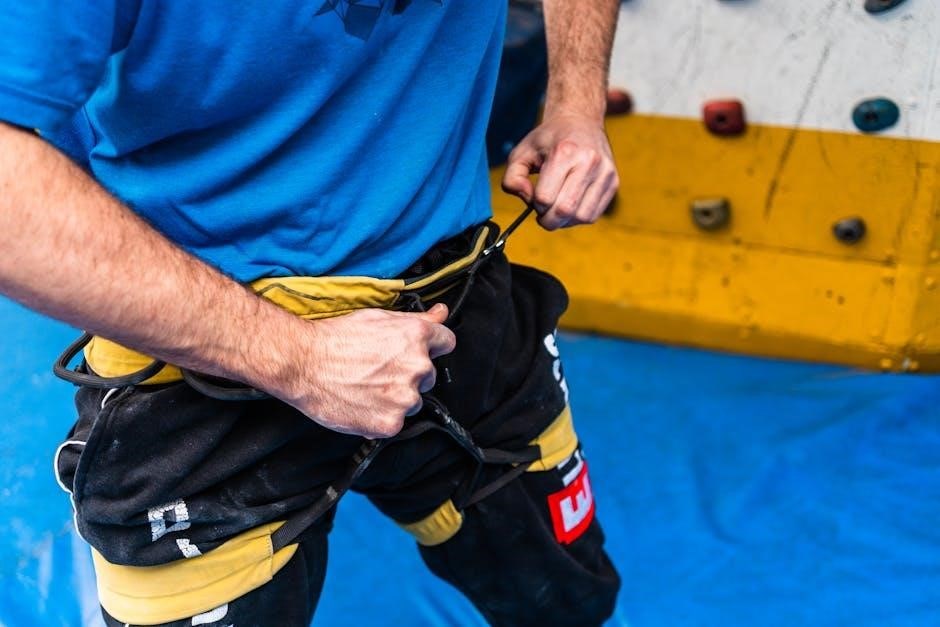
Harness construction materials contribute to flexibility and durability. Some harnesses feature stretch panels for increased freedom of movement, while others prioritize abrasion resistance for longevity. Consider these features when selecting a harness, aligning them with your climbing style and preferences for optimal fit.
Padding and Comfort Considerations
Harness padding is crucial for comfort, especially during extended climbs or multi-pitch adventures. Manufacturers utilize various foam densities and placements to maximize cushioning without adding excessive bulk. Look for harnesses with strategically placed padding in the waistbelt and leg loops, focusing on areas that experience the most pressure.
The type of padding also matters. Closed-cell foam resists water absorption, maintaining its insulating properties even in damp conditions. Open-cell foam offers superior breathability but may become saturated with moisture. Consider the climate and typical climbing conditions when choosing a harness.
Beyond padding, the overall harness design impacts comfort. Features like contoured shapes and adjustable leg loops allow for a customized fit, minimizing chafing and pressure points. Prioritize a harness that feels comfortable from the moment you put it on, ensuring a positive climbing experience.
Harness Types and Sizing Variations
Climbing harnesses aren’t one-size-fits-all; variations exist based on intended use. Sport climbing harnesses often prioritize lightweight designs and streamlined profiles for freedom of movement. Trad climbing harnesses typically feature more gear loops to accommodate a larger rack of equipment, potentially influencing sizing due to added bulk.
Mountaineering harnesses often incorporate features like reinforced tie-in points and compatibility with crampons, sometimes requiring a slightly larger size to accommodate bulky clothing layers. Full-body harnesses, commonly used for children or climbers requiring additional security, have unique sizing considerations focusing on torso length and overall fit.
Sizing can also vary between brands. While standard sizes (XS, S, M, L, XL) are common, specific measurements within each size range differ. Always consult the manufacturer’s size chart and prioritize a snug, secure fit over relying solely on a letter size. Understanding these nuances ensures optimal performance and safety.
Harnesses for Different Climbing Disciplines (Sport, Trad, Mountaineering)
The ideal harness depends heavily on your climbing style. Sport climbing harnesses prioritize freedom of movement and a lightweight feel, often featuring minimal padding and streamlined designs. A snug fit is crucial for performance, allowing efficient clipping and dynamic movement.
Trad climbing demands more gear, necessitating harnesses with numerous, robust gear loops. These harnesses often have a slightly more substantial build to support the weight of a larger rack. Comfort during long multi-pitch climbs is paramount, so consider padding and adjustability.
Mountaineering harnesses require compatibility with bulky layers and equipment like crampons and ice tools. Reinforced tie-in points and leg loops are essential for safety in alpine environments. A harness that can accommodate boots and clothing without compromising fit is vital. REI emphasizes the harness’s role in all these disciplines, connecting you to the rope system.
What to Do If Your Harness Doesn’t Fit
A poorly fitting harness compromises safety and comfort. If your initial choice feels too tight or loose, don’t force it. Begin by thoroughly re-measuring your waist and leg loops, ensuring accuracy. Double-check the manufacturer’s size chart, as sizing can vary significantly between brands.
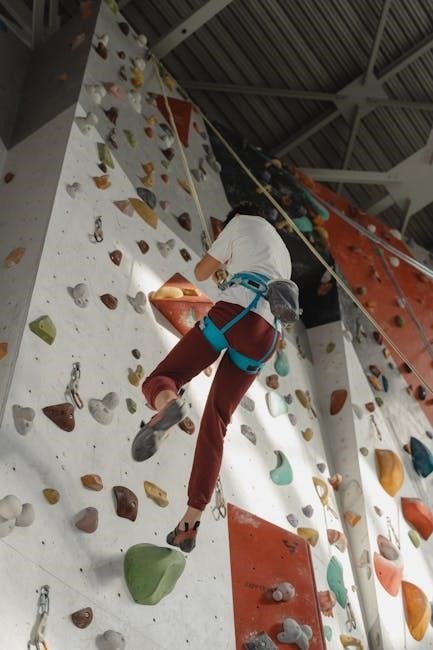
Consider adjusting the harness fully. Many harnesses offer substantial adjustability in both the waistbelt and leg loops. Experiment with different adjustments to find a secure, yet comfortable fit. If adjustments don’t resolve the issue, it’s time to explore a different size or model.
Don’t hesitate to try on multiple harnesses. Different designs cater to various body shapes. REI suggests considering the type of climbing you’ll be doing, as this influences the ideal fit. A professional fitting at an outdoor retailer can provide valuable guidance. Never climb with a harness that doesn’t fit properly.
Resources for Further Information
Online climbing communities, such as the Reddit r/climbing forum (https://www.reddit.com/r/climbing/comments/nrtug/how_to_know_my_harness_size_online_purchase/), offer valuable insights from experienced climbers. While dated (December 27, 2011), the discussions can provide real-world perspectives on sizing challenges.
Manufacturer websites often include detailed sizing charts and fitting guides specific to their products. Local climbing gyms and outdoor retailers offer professional fitting services and expert advice. Remember to prioritize safety and seek guidance from qualified professionals when selecting a climbing harness.