
egr delete instructions 6.7 cummins
EGR Delete Instructions for the 6.7 Cummins: A Comprehensive Guide
This guide details the complete EGR deletion process for the 6.7L Cummins, encompassing removal, kit installation, and post-installation programming for optimal performance.
Understanding the EGR System and Why Delete It
The Exhaust Gas Recirculation (EGR) system is a crucial component designed to reduce nitrogen oxide (NOx) emissions by recirculating a portion of exhaust gas back into the intake manifold. This lowers combustion temperatures, hindering NOx formation. However, over time, the EGR system on the 6.7L Cummins can accumulate carbon buildup, leading to issues like restricted airflow, reduced fuel efficiency, and potential engine performance problems.
Deleting the EGR system addresses these concerns by eliminating the recirculation of exhaust gases. This can result in improved horsepower, torque, and throttle response. Many owners opt for EGR deletion to enhance engine reliability and simplify maintenance, as a clogged EGR valve or cooler can cause significant operational difficulties. It’s important to note that EGR deletion is primarily done for performance gains and is subject to legal restrictions, discussed further in subsequent sections.
Legality and Emissions Considerations
EGR deletion carries significant legal and emissions implications. It’s crucial to understand that removing or altering emissions control devices, like the EGR system, is illegal in many jurisdictions, particularly on vehicles used on public roads. Federal and state laws, such as those enforced by the EPA (Environmental Protection Agency), strictly regulate emissions standards.
Violating these regulations can result in hefty fines, failed emissions inspections, and even vehicle impoundment. EGR delete kits are often marketed for “off-road use only.” Before proceeding with an EGR delete, thoroughly research and understand the laws in your specific location. Consider the potential consequences and whether the performance benefits outweigh the legal risks. Always prioritize compliance with applicable emissions regulations to avoid legal repercussions.
Tools and Materials Required for the EGR Delete
Successfully completing a 6.7 Cummins EGR delete requires a specific set of tools and materials. Essential tools include a socket set, wrenches (metric), screwdrivers, coolant drain pan, and potentially an exhaust pipe cutter. Safety glasses and gloves are paramount. You’ll need an EGR delete kit, comprising block-off plates for both intake and exhaust ports, and associated hardware.
Additional materials include coolant, vacuum caps, thread sealant, and a programmer or tuner to recalibrate the ECM/PCM after the physical removal; A sturdy jack is vital for supporting the transmission during certain removal steps. Having a repair manual specific to your truck year is highly recommended. Ensure all parts are compatible with your 6.7L Cummins engine before starting the process.

Step-by-Step EGR Delete Process
The EGR deletion unfolds in three stages: initial disconnection, EGR component removal, and complete system extraction, requiring a programmer for optimal results.
Stage 1: Initial Disconnection and Preparation
Begin by draining the cooling system to prevent spills during component removal. This is a crucial first step, ensuring a cleaner and safer working environment. Next, disconnect the electrical connector from the EGR valve itself; this disables the system’s function before physical disassembly.
Prior to removing any parts, carefully inspect all vacuum lines and coolant hoses connected to the EGR system. Note their routing for reassembly if needed, or for proper capping later. Support the transmission with a sturdy jack – this is vital, as removing the crossmember will require it to be held securely. Loosen the driver-side crossmember bolts, and allow it to swing downwards after removing the passenger side bolts.
Prepare the work area by laying down drop cloths to protect surfaces and having all necessary tools readily available. This initial preparation streamlines the subsequent removal stages.
Stage 2: EGR Valve and Manifold Removal
With the initial disconnection complete, proceed to remove the EGR valve assembly. Carefully unbolt the valve from the exhaust manifold, noting any obstructions or tight spaces. Next, tackle the intake manifold removal. This often requires disconnecting fuel lines and sensors, so label everything clearly to avoid confusion during reinstallation.
Pay close attention to the bolts securing the EGR cooler to the exhaust manifold. These can be corroded and difficult to remove, so penetrating oil is recommended. Once the cooler is detached, carefully maneuver it out of the engine bay, being mindful of coolant residue.
Ensure all hoses and wiring are disconnected before attempting to lift the manifold. Support the manifold’s weight during removal to prevent damage to surrounding components. This stage sets the foundation for complete EGR system removal.
Stage 3: Complete EGR System Removal
Having removed the valve and manifold, finalize the EGR system’s extraction. This involves disconnecting any remaining coolant or vacuum lines attached to the EGR cooler or associated components. Thoroughly inspect the engine bay for any overlooked connections or brackets that need removal.
Carefully detach the EGR tubing, ensuring no clamps or connectors are left behind. This step fully clears the path for installing the EGR delete kit. Remember that a programmer is required to fully disable the EGR system within the engine’s computer.
Double-check the work area to confirm all EGR-related parts have been removed. This comprehensive removal prepares the engine for the installation of block-off plates and ensures a clean, efficient EGR deletion.
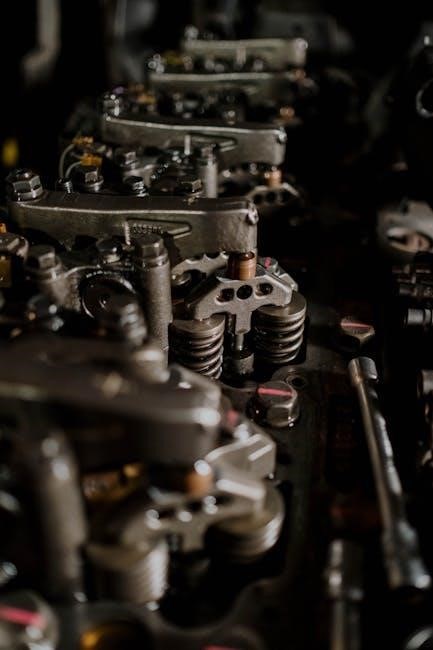
Component Removal Details
Detailed steps cover removing the EGR cooler, disconnecting coolant lines, and carefully disassembling the EGR valve assembly for a complete system overhaul.
Removing the EGR Cooler
The EGR cooler removal requires careful attention to coolant lines and mounting hardware. Begin by draining the cooling system to prevent spills. Locate the EGR cooler, typically positioned near the exhaust manifold. Disconnect the coolant lines connected to the cooler, having a container ready to catch any remaining fluid.
Next, unbolt the EGR cooler from its mounting brackets. These bolts may be corroded, so penetrating oil can be helpful. Once unbolted, carefully maneuver the cooler out of its location, being mindful of surrounding components. Pay attention to any wiring harnesses or hoses that may be routed near the cooler.
Inspect the cooler for any signs of damage or blockage. Proper removal ensures a clean installation of the delete kit and prevents future cooling system issues. Remember to properly dispose of the coolant and any removed components.
Disconnecting Coolant Lines
Safely disconnecting coolant lines is crucial before EGR component removal. Prior to starting, ensure the engine is completely cool to avoid burns. Locate the coolant lines connected to the EGR cooler and valve assembly – typically two hoses. Place a drain pan beneath the connections to capture escaping coolant.
Loosen the hose clamps using a screwdriver or hose clamp pliers. Gently twist and pull the hoses off the fittings. Be prepared for some residual coolant to spill. If the hoses are stuck, carefully use a hose pick or similar tool to break the seal.
Once disconnected, immediately cap or plug the coolant lines to prevent further drainage and contamination. Inspect the hoses for cracks or deterioration and replace them if necessary during reassembly. Proper capping prevents system pressure loss.
Removing the EGR Valve Assembly
After coolant line disconnection, proceed with EGR valve assembly removal. Begin by unplugging the electrical connector to the EGR valve. Next, carefully remove the bolts securing the valve to the exhaust manifold. These bolts can be corroded, so penetrating oil may be necessary.
Once the bolts are removed, gently pry the EGR valve assembly away from the manifold. Be mindful of any remaining gaskets or seals that may be stuck. Inspect the exhaust manifold for any damage or cracks.
Thoroughly clean the mounting surface on the exhaust manifold to ensure a proper seal when installing the block-off plate. Retain all hardware for potential reuse or replacement. Proper removal avoids damage.
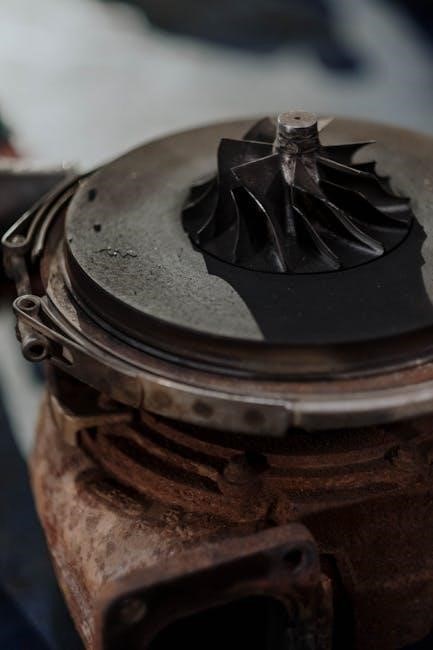
Installation of EGR Delete Kit Components
Now, install the EGR delete kit, utilizing block-off plates for both intake and exhaust ports, and securely mounting the provided brackets for a complete seal.
Installing Block-Off Plates (Intake Port)
Begin the installation process with the intake port block-off plates. These plates are crucial for sealing the intake manifold where the EGR valve once connected, preventing exhaust gas from re-entering the intake stream. Ensure the mating surfaces on both the intake manifold and the block-off plate are clean and free of any debris or old gasket material.
Carefully align the block-off plate with the intake port opening. Use new gaskets specifically designed for this application to guarantee a proper seal. Tighten the mounting bolts in a star pattern to evenly distribute clamping force and avoid warping the plate or manifold.
Torque the bolts to the manufacturer’s specifications, as over-tightening can damage the threads or the manifold itself. Double-check that the plate is securely fastened and there are no visible gaps. A properly installed intake port block-off plate is essential for a successful EGR delete and optimal engine performance.
Installing Block-Off Plates (Exhaust Port)
Proceed with installing the exhaust port block-off plates after completing the intake side. These plates seal the exhaust manifold where the EGR cooler was previously connected, preventing exhaust gases from recirculating. As with the intake plates, cleanliness of the mating surfaces is paramount – remove all traces of old gaskets and debris.
Align the exhaust port block-off plate carefully with the opening on the exhaust manifold. Utilize new gaskets designed for this specific application to ensure a leak-proof seal. Tighten the mounting bolts in a star pattern, gradually and evenly, to avoid distortion.
Adhere strictly to the manufacturer’s torque specifications when tightening the bolts. Over-tightening risks damaging the manifold or stripping the threads. Verify a secure fit with no visible gaps. A correctly installed exhaust port block-off plate is vital for a complete EGR deletion and maintaining exhaust flow.
Bracket Installation Steps ‒ Fixed Hose Connector
Begin bracket installation by focusing on the fixed hose connector, a crucial component for rerouting coolant or vacuum lines post-EGR deletion. This step ensures proper fluid and air management. Locate the designated mounting points on the engine block or chassis, as indicated in your kit’s instructions.
Position the fixed hose connector bracket, aligning the holes for secure attachment. Use the provided hardware – typically bolts, washers, and nuts – to fasten the bracket firmly. Ensure the bracket is oriented correctly to accommodate the hose routing.
Tighten the hardware to the manufacturer’s specified torque, avoiding over-tightening. A secure connection is essential to prevent leaks or vibrations. Double-check the bracket’s stability before proceeding to the next installation phase, securing it with a threaded stud, flange nut, and spacer.
Bracket Installation Steps ⎯ Securing Brackets
After installing the fixed hose connector bracket, proceed to secure all remaining EGR delete brackets. This step is vital for a robust and reliable installation, preventing movement and potential damage. Utilize the provided threaded studs, flange nuts, and stud spacers to achieve a secure fit.
Carefully align each bracket with its corresponding mounting points on the engine or chassis. Thread the studs through the bracket holes and chassis, then fasten them tightly with flange nuts. The stud spacers help maintain proper alignment and prevent stress on the brackets.
Ensure all brackets are firmly tightened to the manufacturer’s specified torque. Regularly inspect the brackets for any signs of loosening or vibration, especially after initial operation. A properly secured bracket system is crucial for long-term performance and reliability.

Post-Installation Procedures
Following the EGR delete, cap all coolant and vacuum lines, support the transmission, and crucially, reprogram the ECM/PCM for optimal engine function.
Capping Coolant and Vacuum Lines
After the complete removal of the EGR system, meticulously capping the coolant and vacuum lines is paramount to prevent leaks and maintain proper engine operation. Begin by identifying all disconnected coolant lines previously connected to the EGR cooler and valve assembly. Utilize appropriately sized caps – rubber or silicone are recommended – to securely seal each opening.
Ensure a tight fit to avoid any potential coolant loss, which could lead to overheating. Next, address the vacuum lines. These lines, once connected to the EGR valve, must also be capped to prevent air intake issues. Again, use appropriately sized caps, ensuring a secure seal. Double-check all capped lines for tightness and proper fit. This step is crucial for a clean and reliable EGR delete installation, preventing future complications and ensuring optimal performance.
Supporting the Transmission During Removal
When removing the EGR system, particularly the exhaust manifold, supporting the transmission is absolutely critical. The exhaust manifold’s removal can create significant stress and potential movement of the transmission, leading to damage or misalignment. Employ a robust and sturdy floor jack positioned securely under the transmission.
Carefully raise the jack until it provides firm, yet gentle, support. This prevents undue strain on the transmission mounts. Loosen the passenger-side bolts, then slightly loosen the driver-side bolts, allowing the crossmember to swing downwards. This maneuver provides the necessary clearance for EGR component removal. Regularly check the jack’s stability throughout the process, ensuring the transmission remains safely supported until reinstallation is complete.
Programming the ECM/PCM
Following the physical EGR deletion, reprogramming the Engine Control Module (ECM) or Powertrain Control Module (PCM) is essential. Deleting the EGR system creates diagnostic trouble codes (DTCs) that will illuminate the check engine light and potentially limit engine performance. A programmer, or tuner, is required to disable the EGR functions within the ECM/PCM’s software.
This process involves uploading a custom tune specifically designed for EGR-deleted vehicles. Ensure the tune is compatible with your truck’s year, model, and any other modifications. Proper programming eliminates error codes, restores full engine power, and optimizes performance. Failure to reprogram can result in reduced fuel economy, decreased horsepower, and ongoing diagnostic issues. Professional tuning is highly recommended for optimal results.

Troubleshooting Common Issues
Addressing check engine lights, coolant leaks, and performance dips post-deletion requires careful diagnosis and solutions, ensuring a smoothly running, modified Cummins engine.
Addressing Check Engine Lights
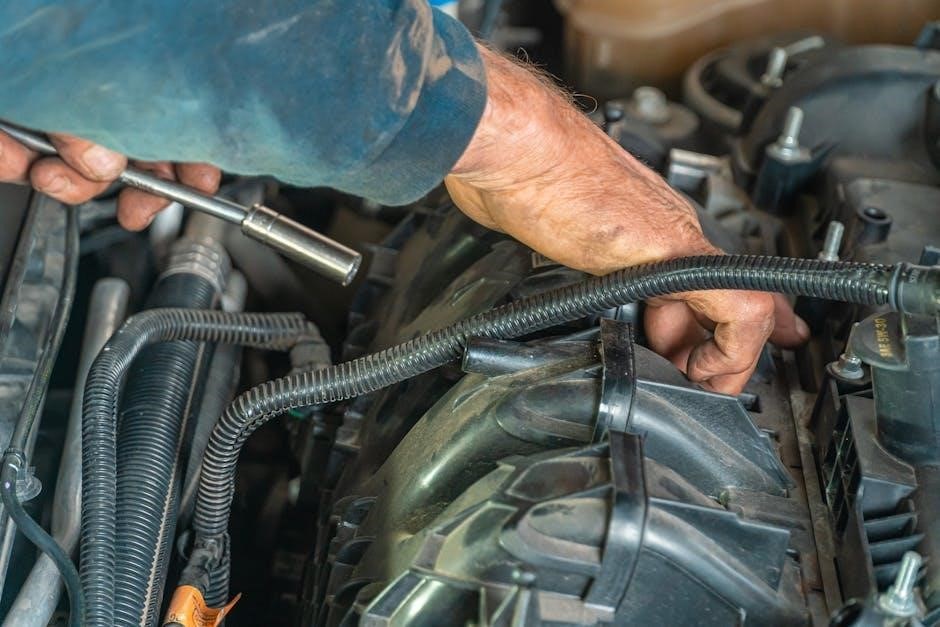
Following an EGR delete on the 6.7 Cummins, encountering a check engine light is common, primarily due to the system’s absence. A programmer is crucial for disabling EGR-related Diagnostic Trouble Codes (DTCs). Simply deleting the hardware isn’t enough; the ECM/PCM needs reprogramming to avoid error codes.
Ensure the programmer is specifically designed for your truck’s year and model. Incorrect programming can lead to further issues. After the initial program, monitor for any recurring codes. Some codes might indicate other underlying problems unrelated to the EGR delete.
If codes persist, double-check all connections and ensure the block-off plates are securely installed. A scan tool capable of reading Cummins-specific codes is invaluable for accurate diagnosis. Ignoring the check engine light can lead to reduced performance and potential engine damage.
Dealing with Coolant Leaks
Coolant leaks are a frequent concern post-EGR delete, stemming from disconnected coolant lines previously servicing the EGR cooler. Thoroughly cap all open coolant ports using appropriately sized plugs – ensure a tight, leak-proof seal. Inspect all capped lines and connections meticulously after the initial engine start.
Pay close attention to the areas where the EGR cooler was mounted, as residual coolant can accumulate and drip. Use a coolant system pressure tester to identify any subtle leaks that may not be immediately visible.
If leaks persist, verify the correct installation of block-off plates, ensuring they fully seal the exhaust ports. A small amount of sealant can be used for added security. Addressing coolant leaks promptly prevents overheating and potential engine damage.
Resolving Performance Issues After Deletion
Post-EGR delete, some performance dips can occur, primarily due to the ECM/PCM not being properly reprogrammed for the altered airflow. A custom tune specifically designed for an EGR-deleted 6.7L Cummins is crucial to unlock the engine’s full potential.
Symptoms like reduced power, black smoke, or rough idling often indicate an incorrect tune or incomplete system adaptation. Verify the tune matches your specific modifications, including any accompanying exhaust or fuel system upgrades.
Ensure the ECM/PCM programming process completed successfully, with no error codes related to the EGR system remaining. If issues persist, consult with a qualified diesel performance tuner for further diagnosis and refinement of the engine calibration.

Performance Upgrades to Complement EGR Delete
Maximizing gains from an EGR delete involves turbo, fuel, and exhaust system enhancements, unlocking substantial horsepower and torque for your 6.7L Cummins engine.
Turbocharger Upgrades
Following an EGR delete, upgrading the turbocharger is a logical step to fully capitalize on the engine’s newfound efficiency. Removing the EGR system reduces exhaust gas temperatures and backpressure, allowing the turbo to spool quicker and generate more boost. Consider options like a performance drop-in turbo or a complete turbo kit designed for deleted applications.
Larger turbine housings and upgraded compressor wheels can significantly increase airflow, resulting in substantial horsepower and torque gains. When selecting a turbo upgrade, carefully consider your desired power level and driving style. Pairing the turbo upgrade with appropriate intercooling is crucial to manage increased intake air temperatures.
Diesel Power Products offers a wide range of turbo kits specifically tailored for Cummins engines, ensuring compatibility and optimal performance. Remember to research and choose a turbo that aligns with your overall performance goals and budget.
Fuel System Upgrades
An EGR delete unlocks significant potential, but the fuel system must keep pace with increased airflow and power. Upgrading fuel delivery components is essential to avoid running lean and ensure optimal combustion. Consider installing higher-flow fuel injectors to provide the necessary fuel volume for the enhanced engine performance.
A lift pump upgrade is also highly recommended, particularly with larger injectors, to maintain consistent fuel pressure to the injection pump. Upgraded fuel lines with larger diameters can further improve fuel flow. Diesel Performance Products provides a comprehensive selection of fuel system components for Cummins engines.
Properly sized fuel components are crucial for reliability and longevity. Ensure the chosen upgrades are compatible with your turbocharger setup and ECM/PCM tuning. Careful planning and component selection will maximize the benefits of your EGR delete.
Exhaust System Upgrades
Following an EGR delete, optimizing exhaust flow is paramount for realizing the full performance gains. A restrictive exhaust system can negate the benefits of increased airflow. Upgrading to a larger diameter downpipe and exhaust system reduces backpressure, allowing the turbocharger to spool quicker and more efficiently.
Consider a turbo-back exhaust system for a complete upgrade, including a higher-flow muffler and tailpipe. Stainless steel exhaust systems offer durability and corrosion resistance. Diesel Performance Parts offers a wide range of exhaust systems tailored for Cummins engines.
Ensure the exhaust system is compatible with your truck’s cab configuration and local noise regulations. A well-designed exhaust system not only enhances performance but also improves the overall sound of your Cummins engine.